
 Text photos & location
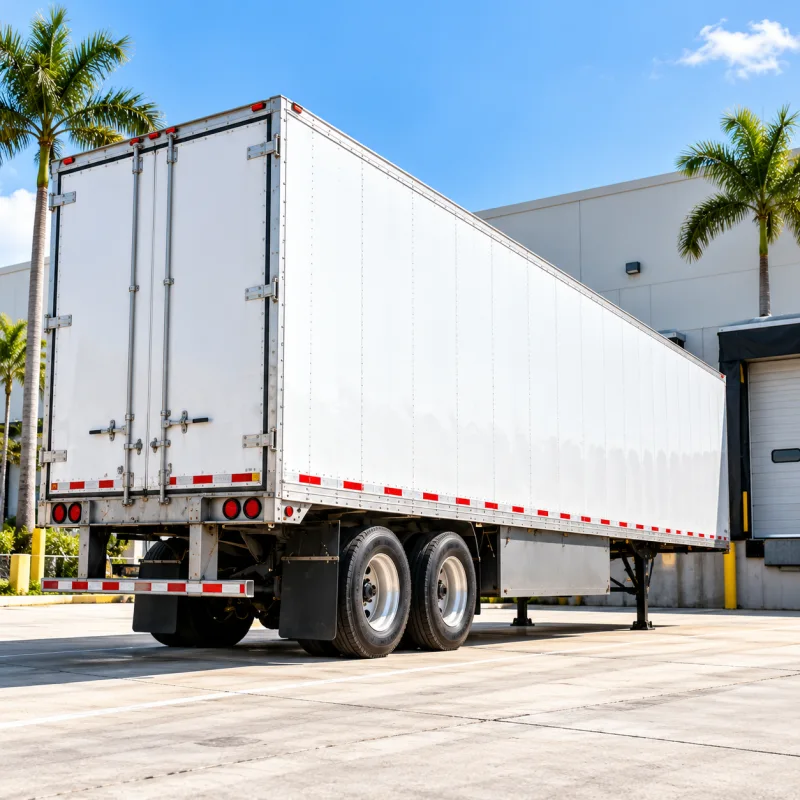
Commercial & fleet trailers
Dry vans, reefers and fleet trailers. Mobile service at your yard, dock or a safe roadside location.
Mobile trailer repair at your Broward yard, dock, terminal, boat ramp or safe roadside location can save a tow when the job can be done in place. Call with the location and symptoms to confirm availability, an arrival window and the service-call rate before a truck rolls.
Confirm availability and service-call rate before dispatch.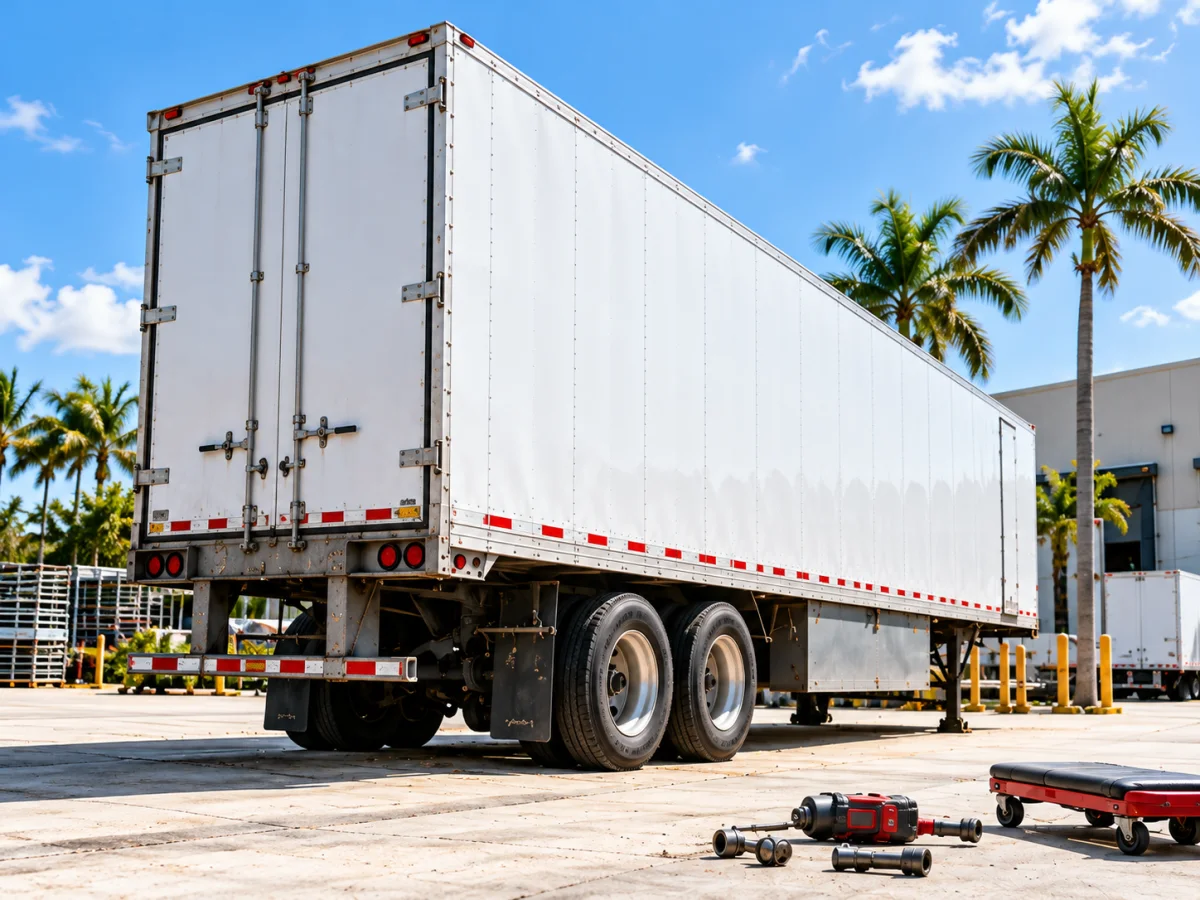
Ready for dispatchShare the cross street or exit and travel direction, trailer type or unit number, what failed, and photos if useful. If you are stopped near traffic, move to a safe location if possible and call.
Urgency, time of day, location, access, parts and labor all affect the total. A scheduled yard visit and an overnight roadside breakdown need different dispatch plans. Ask for the service-call rate before the truck rolls; the repair scope and cost follow diagnosis and your approval.
| Factor | Why it moves the number |
|---|---|
| Scheduled or emergency | Urgent dispatch and booked work have different call-out rates. |
| Time of day | Weekday business hours, then evenings, then nights, weekends and holidays. |
| Where the trailer is | Yard, dock and roadside jobs differ in travel, access and safety setup. |
| How many units | For multiple trailers at one stop, ask about a combined visit. |
| What failed | Air, brakes, lights, wheel ends, landing gear and doors are all different jobs. |
| Parts availability | A diagnosis and available parts determine whether work can be finished on the first visit. |
| Access | Gates, badges, escorts and soft ground all add setup time before a tool comes out. |
Confirm the call-out and labor rate before dispatch. The repair scope and parts can be quoted after inspection. This service is for trailers; ask about any exclusions when you call.
Air, brake, electrical, wheel-end and door repairs are common mobile jobs. The exact work depends on diagnosis, parts on hand and whether the trailer can be serviced safely where it sits. Larger structural rebuilds and machining may need a shop.
Describe the symptom and share photos so dispatch can assess likely scope. Some failures need an on-site diagnosis before a repair location can be confirmed.
The arrival window depends on your location, current calls, traffic and parts. Give dispatch the cross street or exit so you can get a current window instead of relying on a blanket response-time promise.
Share three things before the truck rolls: where the trailer is (cross street or exit number), what it is doing, and the trailer type or number. Photos or an axle tag can help with parts planning.
Often, if the trailer is accessible and the repair can be completed safely in place. Call with the symptoms before arranging a tow; dispatch can discuss the likely mobile scope, availability and call-out rate. If the job needs a shop, that can be part of the plan.
Dry vans, reefers and fleet trailers. Mobile service at your yard, dock or a safe roadside location.
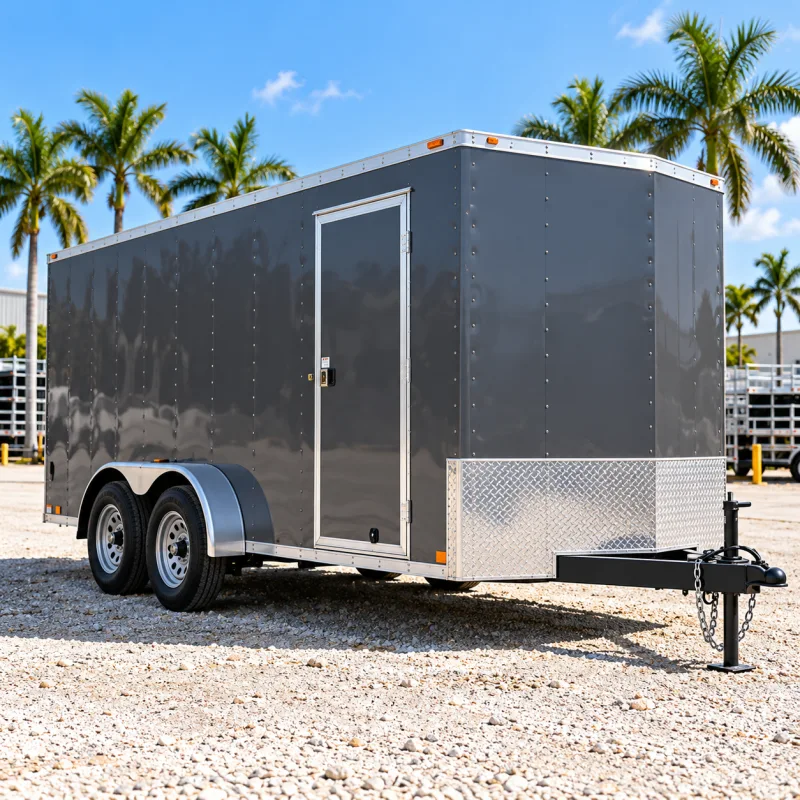
Enclosed, open, cargo and equipment trailers. Bearings, brakes, lights and more.
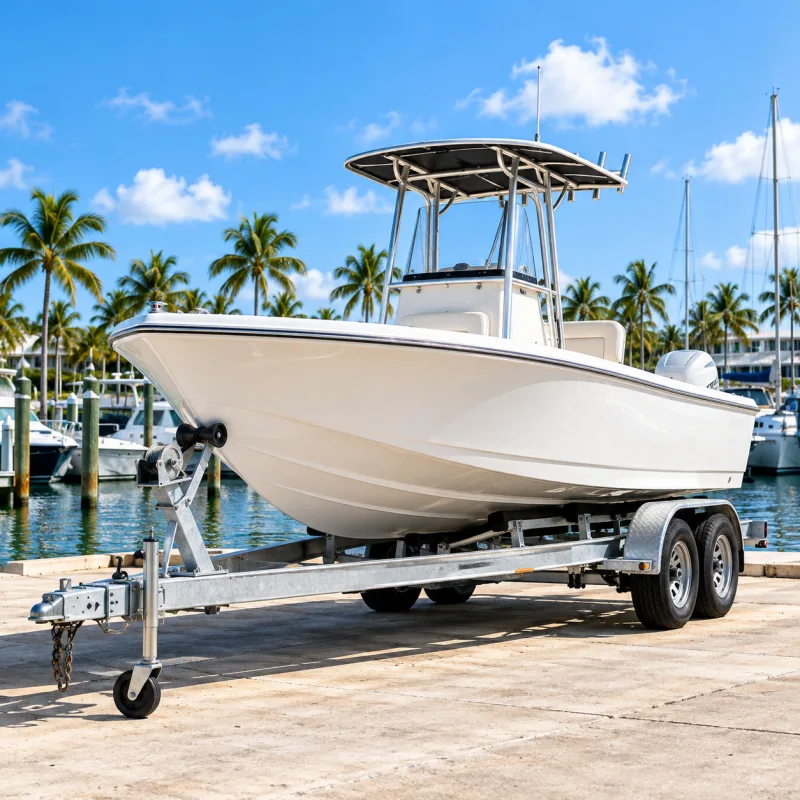
Call or text your location, trailer type and symptoms. Confirm a current dispatch window and service-call rate before the truck leaves.
